Slivnica
PLEASE SCROLL DOWN FOR ENGLISH
Povijest sela
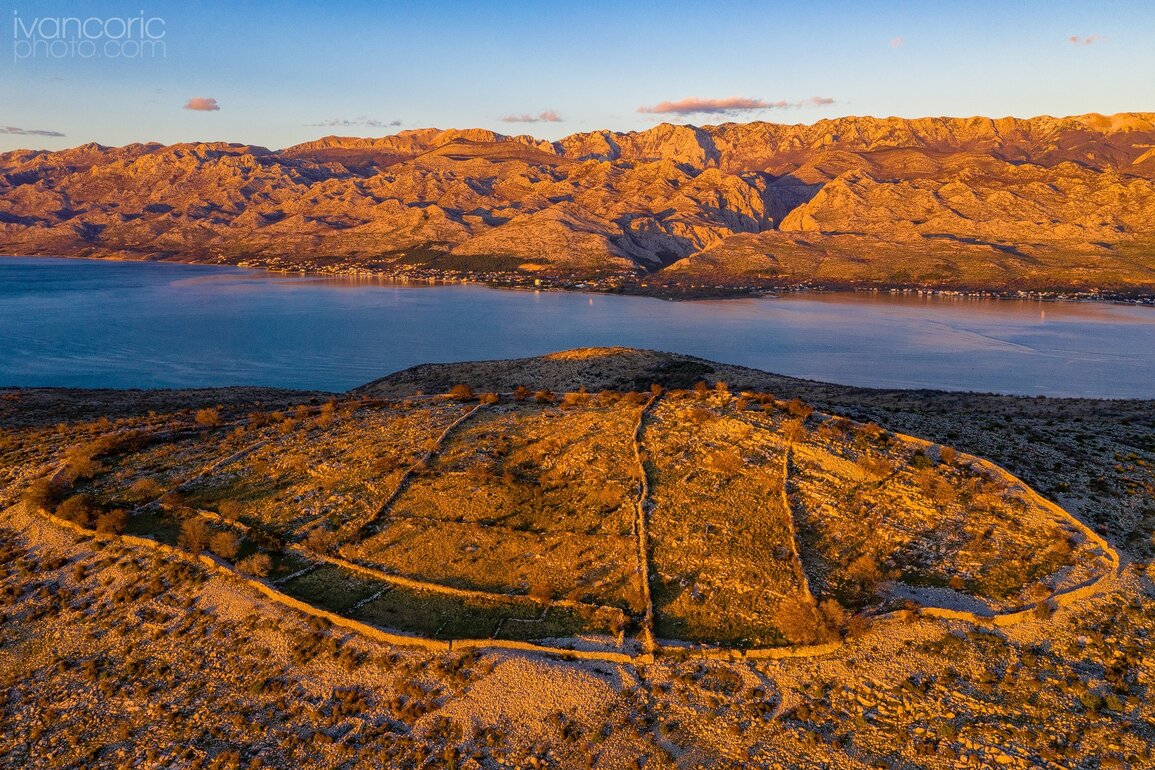
Jednako udaljeno od Vinjerca (Castel Venier-a) i Posedarja leži selo Slivnica. Naselje je dobilo ime Slivnica po izvoru vode koje izvire iz dubine od 8 metara, gdje je od davnina bio bunar za potrebe stanovništva. Jedno je od najstarijih naselja na tom području. Naseljeno je od starijega kamenog doba, sa tragovima iz mlađega kamenog doba i bakreno - kamenog. Gusto je naseljeno u doba Ilira i Rimljana. Na brežuljcima oko sela su ostatci triju ilirskih gradina - Gradina kod Bokulje, Mijolovića gradina i Lergova gradina. Najznačajnija je Lergova gradina stara oko 3000 godina sa dokazima da su je gradili ili je barem bila građena pod utjecajem grčkih kolonizatora. Lergova gradina je na dominatnoj poziciji (268 m/nv) nad cijelim Velebitskim (Morlačkim) kanalom i naseljima koja se nalaze s obje strane kanala a također i područjem do Vrane. Slivnica se u pisanim dokumentima prvi put spominje 1301. godine. U 16 stoljeću Turci dolaze nadomak Slivnice, te će granica Mletačke Republike pod kojom je bila Slivnica i Osmanskog carstva biti udaljena tek nekoliko kilometara. 1571. Turci su srušili Kaštel Bokulju, te se može zaključiti da se isto desilo sa cijelim selom jer u popisu stanovištva iz 1610. godine nema Slivnice. Preko 100 godina je trajala konstantna opasnost i česti pljačkaški pohodi Turaka. Turci su iza sebe ostavili pustoš i stanovnicima ovoga i ostalih naselja trebalo je dugo da se oporave. To nam dokazuje i podatak da je tek 50 godina nakon odlaska Turaka, država prodala poprilično veliko plodno zemljište, koje je nekada pripadalo jednom Zadarskom samostanu. To imanje, koje je moglo prehraniti tisuće ljudi, prodano je na aukciji za samo 2000 forinti. Obrada zemljišta je prepuštena kmetovima i ta je činjenica privukla kmetove iz obližnjeg sela Castel - Venier i planinskih područja. Zbog plodne zemlje, u naselju je zavladalo blagostanje te se u veoma kratkom razdoblju povećao broj stanovništa.
Nakon Venecije vlast preuzimaju Austrijanci (1797.), potom Francuzi (1806.-1813.). Nakon kratkog perioda francuske vlasti Slivnica ostaje pod Austrijom sve do 1918. Za vrijeme austrijske uprave sredinom 19. st. kroz Slivnicu je izgrađena stara cesta iz Zadra preko Poličnika i Slivnice do Vinjerca. Završetkom 1. svjetskog rata Austrija na gubitničkoj strani ostaje bez svojih teritorija dok Italija okupira Zadar i Ravne kotare. 1920. Rapalskim ugovorom Italiji ostaje u posjedu Zadar dok Ravni kotari skupa sa Slivnicom potpadaju pod Kraljevinu SHS, kasnije Kraljevinu Jugoslaviju. U 2. svjetskom ratu Italija ponovno okupira Ravne kotare, čijom kapitulacijom 1943. vlast kratko preuzima Nacistička Njemačka. 1944. partizani oslobađaju Ravne kotare i Zadar te isti ulaze u sastav Socijalističke Jugoslavije. Referendum o hrvatskoj samostalnosti je održan 1991. te se 93% građana opredjeljuje za samostalnu i neovisnu Republiku Hrvatsku te se raskidaju sve državnopravne sveze s dotadašnjom SFRJ. Nezadovoljni tom odlukom Srbi koji su živjeli stoljećima na prostorima Hrvatske ulaze u otvorenu oružanu pobunu te osnivaju tzv. Republiku Srpsku Krajinu čije granice se formiraju na samo nekoliko km udaljenosti od Slivnice. Rat traje do 05.08.1995. kada Hrvatska vojska vojnom akcijom Oluja poražava pobunjene Srbe te izlazi na državne granice nakon čega nastupa mir. Kroz povijest se stanovništvo pretežno bavi poljoprivredom i stočarstvom dok u današnje vrijeme sve više jača turistička djelatnost zbog dobrog zemljopisnog položaja i blizine mnogih turističkih atrakcija.
Crkva Sv. Kuzme i Damjana
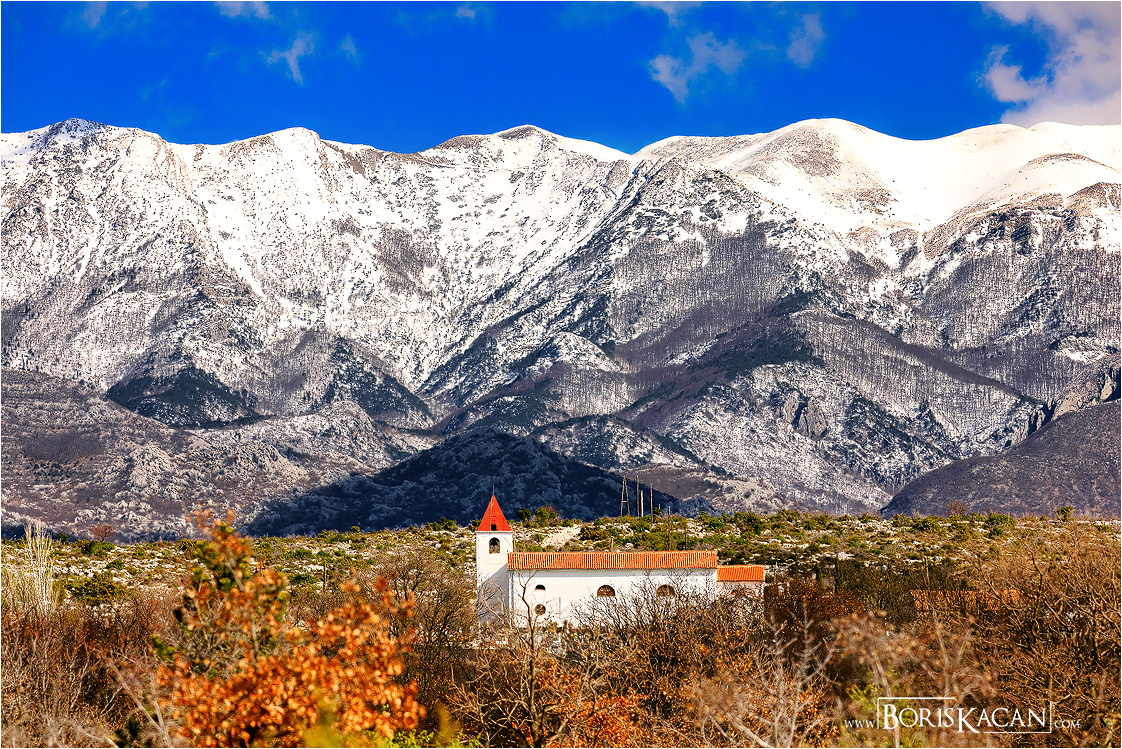
Nedaleko od bunara se nalazi crkva Sv. Kuzme i Damjana (26.09. dan zaštitnika), oko koje se nalazi groblje. Nisu pronađeni ni pisani ni materijalni dokazi o godini gradnje, no poznato je da je obnovljena 1844. godine novcem iz crkvenog fonda i uz pomoć mještana podignuta za dva metra. Ostatak crkve zadržao je prijašnje dimenzije, 13 m dužine i 7 metara širine. Dva su ulaza, veći je okrenut prema sjeveru, a manji prema jugu. Ima dva drvena oltara, koja su djelo osrednjeg majstora. Veći je oltar originalno posvećen Kuzmi i Damjanu, a drugi je napravljen u čast Sv. Križa. Iza većeg oltara nalazi se sakristija. Zvonik je u rimskom stilu sa dva zvona. S obzirom da zvonjavu nisu mogli čuti svi mještani, župnik Pasquale Bakotić je stara zvona zamijenio novima, većima, iz poznate ljevaonice di Pietro iz Bassana, uz doplatu od 850 forinti. Pobožna darežljivost suverena Franje Josipa priložila je 60 forinti, isto toliko je uzeto iz crkvenog fonda, a ostatak je skupljen od župljana, tako da se na zvonima nalazi natpis "Impensis fidelium de Slivnizza — 1811" (otisnuto za vjernike u Slivnici). Zbog nedostatka sredstava za obnovu zvonika kako bi mogao izdržati težinu novih zvona, ista su postavljena na groblju. Posljednji put crkva je obnovljena i produžena 1988. godine.
 History of the village
Slivnica lies in between the villages Vinjerac (Castel Venier) and Posedarje. Slivnica is named after a source of water that springs from depth of 8 meters and were well was built in ancient time to supply inhabitants with fresh drinking water. It is one of the oldest settlements in the area and has been inhabited since the Old Stone Age, with traces from the Late Stone Age and Copper Age. Village was densely populated in the time of the Illyrians and Romans. On the hills around the village are the remains of three Illyrian forts - Gradina near Bokulja, Mijolović fort and Lerga fort. The most significant is Lerga's fort, about 3000 years old, with evidence that it was built or at least was built under the influence of Greek colonizers. Lerga fort is in a dominant position (268 m above sea level) over the entire Velebit (Morlach) canal and settlements located on both sides of the canal and also the area up to Vrana. In written documents Slivnica is first mentioned in 1301. In the 16th century Slivnica came on the brink of war with Ottomans invasion and Venetian-Ottoman border was formed only few kilometers away. In 1571, the Ottomans demolished Kaštel Bokulja, and it can be concluded that the same happened to the whole village because there is no Slivnica in the census from 1610. The constant danger and frequent plundering raids of the Ottomans lasted for over 100 years. The Ottomans left devastation behind and it took a long time for the inhabitants of this and other nearby settlements to recover. 50 years after the departure of the Ottomans, the state sold a fairly large fertile land, which once belonged to a Zadar monastery. The property, which could feed thousands of people, was sold at auction for just 2,000 forints. The cultivation of the land was left to the serfs and this fact attracted the serfs from the nearby villages, mostly Castel - Venier. Because land there was fertile population increased in short period of time.
After Venice, rule was taken over by the Austrians (1797), then by the France led by Napoleon Bonaparte (1806-1813). Austrians took over again and Slivnica remained under Austria rule until 1918. Road from Zadar to Vinjerac which went through Slivnica was built in the middle of the 19th century. When World War I finished Italy as one of winners occupied Zadar and Ravni kotari. In 1920, with the Treaty of Rapallo, Italy remained in the possession of Zadar, while Ravni kotari together with Slivnica fell under the Kingdom of SHS, later the Kingdom of Yugoslavia. In 1941 during World War II, Italy re-occupied Ravni Kotari, then surrendered to the Allies in 1943. Lands that were controlled by Italians then were taken over by Nazi Germany. In 1944, the partisans liberated Ravni kotari and Zadar and both became part of Socialist Yugoslavia. Some decades after a referendum on Croatian independence was held in 1991, and 93% of citizens opted for an independent and sovereign Republic of Croatia, and all state-legal ties with the former Yugoslavia were severed. Serbs who lived in Croatia for centuries backed by Serbia entered into an armed rebellion and founded the so-called Republic of Serbian Krajina. War started and Slivnica was just few kilometars away from frontline. Slivnica had important strategic position and was defended by Croatian army. Military victory was gained on August 5, 1995 when Croatian army launched major offensive called Operation Storm putting Serb rebels to flight and securing the country’s territory. Since ancient times inhabitants of Slivnica worked mainly in agriculture and livestock breeding, while nowadays tourism industry has also become one of the income sources due to good geographical position of Slivnica and the proximity of many tourist attractions.
History of the village
Slivnica lies in between the villages Vinjerac (Castel Venier) and Posedarje. Slivnica is named after a source of water that springs from depth of 8 meters and were well was built in ancient time to supply inhabitants with fresh drinking water. It is one of the oldest settlements in the area and has been inhabited since the Old Stone Age, with traces from the Late Stone Age and Copper Age. Village was densely populated in the time of the Illyrians and Romans. On the hills around the village are the remains of three Illyrian forts - Gradina near Bokulja, Mijolović fort and Lerga fort. The most significant is Lerga's fort, about 3000 years old, with evidence that it was built or at least was built under the influence of Greek colonizers. Lerga fort is in a dominant position (268 m above sea level) over the entire Velebit (Morlach) canal and settlements located on both sides of the canal and also the area up to Vrana. In written documents Slivnica is first mentioned in 1301. In the 16th century Slivnica came on the brink of war with Ottomans invasion and Venetian-Ottoman border was formed only few kilometers away. In 1571, the Ottomans demolished Kaštel Bokulja, and it can be concluded that the same happened to the whole village because there is no Slivnica in the census from 1610. The constant danger and frequent plundering raids of the Ottomans lasted for over 100 years. The Ottomans left devastation behind and it took a long time for the inhabitants of this and other nearby settlements to recover. 50 years after the departure of the Ottomans, the state sold a fairly large fertile land, which once belonged to a Zadar monastery. The property, which could feed thousands of people, was sold at auction for just 2,000 forints. The cultivation of the land was left to the serfs and this fact attracted the serfs from the nearby villages, mostly Castel - Venier. Because land there was fertile population increased in short period of time.
After Venice, rule was taken over by the Austrians (1797), then by the France led by Napoleon Bonaparte (1806-1813). Austrians took over again and Slivnica remained under Austria rule until 1918. Road from Zadar to Vinjerac which went through Slivnica was built in the middle of the 19th century. When World War I finished Italy as one of winners occupied Zadar and Ravni kotari. In 1920, with the Treaty of Rapallo, Italy remained in the possession of Zadar, while Ravni kotari together with Slivnica fell under the Kingdom of SHS, later the Kingdom of Yugoslavia. In 1941 during World War II, Italy re-occupied Ravni Kotari, then surrendered to the Allies in 1943. Lands that were controlled by Italians then were taken over by Nazi Germany. In 1944, the partisans liberated Ravni kotari and Zadar and both became part of Socialist Yugoslavia. Some decades after a referendum on Croatian independence was held in 1991, and 93% of citizens opted for an independent and sovereign Republic of Croatia, and all state-legal ties with the former Yugoslavia were severed. Serbs who lived in Croatia for centuries backed by Serbia entered into an armed rebellion and founded the so-called Republic of Serbian Krajina. War started and Slivnica was just few kilometars away from frontline. Slivnica had important strategic position and was defended by Croatian army. Military victory was gained on August 5, 1995 when Croatian army launched major offensive called Operation Storm putting Serb rebels to flight and securing the country’s territory. Since ancient times inhabitants of Slivnica worked mainly in agriculture and livestock breeding, while nowadays tourism industry has also become one of the income sources due to good geographical position of Slivnica and the proximity of many tourist attractions.
Church of St. Cosmas and Damian
Not far from the well is the Church of St. Cosmas and Damian (September 26, a day of the patron saint), which is surrounded by a cemetery. There is no written or material evidence of the year of construction, but it is known that it was renovated in 1844 with money from the church fund and with the help of the locals. It was raised by two meters while the rest of the church retained its previous dimensions, 13 m long and 7 m wide. There are two entrances, the larger one is facing north and the smaller one is facing south. It has two wooden altars, which are the work of a decent carpenter. The larger altar is dedicated to Cosmas and Damian, and the other was made in honor of St. Cross. Behind the larger altar is the sacristy. The bell tower is in Roman style with two bells. Since not all the locals could hear the ringing, the pastor Pasquale Bakotić replaced the old bells with new, larger ones from the famous foundry di Pietro from Bassan, for an additional charge of 850 forints. The pious generosity of the sovereign Francis Joseph contributed 60 forints, the same amount was taken from the church fund and the rest was collected from the parishioners, so that the bells bear the inscription "Impensis fidelium de Slivnizza - 1811" (Imprinted for the faithful of Slivnica). Due to the lack of funds to restore the bell tower so that it could withstand the weight of the new bells, they were placed in the cemetery. Last renovation of the church was done in 1988 when it also got extended.
